Norovirus: America’s “Winter Vomiting Disease” on the Rise
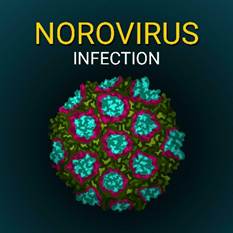
Norovirus, often called the “winter vomiting disease”, is once again sweeping across the country. Unlike other viruses with a fat-based envelope that alcohol sanitizers can break down, norovirus is encased in a rugged protein shell called a capsid, making it resistant to hand sanitizers. That means soap and water for at least 20 seconds is the most effective defense.
Current Trends and Data
- CDC data shows nearly 14% of tests were positive for norovirus during the week ending Nov. 15, 2025, compared to just 7% three months earlier CBS News ABC News.
- Last December saw a record-breaking 25% positivity rate, and experts warn this winter could bring another harsh season Gizmodo.
- Epic Research and WastewaterSCAN data highlight the hardest-hit states: Alabama, Nebraska, Oklahoma, Texas, Wyoming, Louisiana, Michigan, and Indiana NBC News ABC News Gizmodo.
- Outbreaks are being reported in schools, cruise ships, and communities nationwide, with more than 200 passengers sickened aboard a luxury cruise ship this fall CBS News.
CDC Recommendations for Prevention
The CDC emphasizes several key steps to stop norovirus from spreading CDC CDC:
- Wash hands thoroughly with soap and water for 20 seconds, especially after using the bathroom, changing diapers, or before preparing food.
- Do not rely on hand sanitizer alone, it does not kill norovirus.
- Avoid preparing food or caring for others while sick, and wait at least 48 hours after symptoms stop before resuming these activities.
- Cook shellfish thoroughly to at least 145°F and wash fruits and vegetables well.
- Clean and disinfect contaminated surfaces using bleach-based solutions or EPA-approved disinfectants effective against norovirus.
- Wash contaminated laundry with hot water and detergent, then machine dry at high heat.
Why This Matters
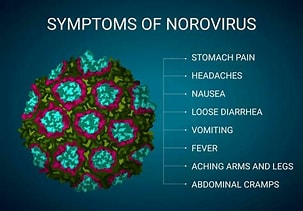
Norovirus is the leading cause of foodborne illness in the U.S., responsible for 20 million infections annually, over 100,000 hospitalizations, and nearly 900 deaths each year CBS News. It spreads easily through contaminated food, water, surfaces, and person-to-person contact. Symptoms, nausea, vomiting, diarrhea, and stomach cramps, can appear within 12–48 hours and last 1–3 days. Vulnerable groups include young children, older adults, and those with weakened immune systems.
Community Call to Action
This surge is not just a public health issue, it’s a matter of community responsibility. By practicing rigorous hygiene, safe food handling, and responsible caregiving, we can protect ourselves and those most at risk. Norovirus thrives in close-contact environments, but prevention is in our hands, literally.