COMMUNITY

BLACK PEOPLE, BLACKLIVES, COMMUNITY, ECONOMICS, ENTERTAINMENT, FINANCE, HEALTH, JUSTICE, MUSIC, NEWS, POLITICS, RACE, SPORTS

NEWSLETTER EDITION

2025 Year‑End Reflections: A Season of Healing, Growth, and Community Power As we close out 2025, I want to take a moment to speak directly to the people who made this year unforgettable, you. This year was one of the most transformative seasons of my life. Season 3 of America in Black and White and the continued growth of Changing Trends and Times were not just professional milestones. They were lifelines. They were reminders that community is not something we talk about, it’s something we build together. And I want you to know how deeply grateful I am. To My Guests: You Carried Me This Year Every guest who joined me on the show brought something powerful, truth, vulnerability, humor, brilliance, and heart. You didn’t just show up for an interview. You showed up for me. Many of you may not know this, but 2024 was the year I lost my mother. Her passing left a space in my life that felt impossible to fill. But every conversation, every story, every moment of connection on the show helped me breathe again. You helped me heal in ways I didn’t expect. Your presence reminded me that even in grief, there is purpose.Even in loss, there is community.Even in pain, there is possibility. Thank you for being part of my healing. Season 3: A Testament to Our Collective Power This season wasn’t just successful, it was meaningful. We tackled real issues.We uplifted real voices.We created real impact. And none of it would have happened without you, the guests, the viewers, the supporters, the people who believe in the mission of telling our stories with honesty and dignity. You are the engine behind this machine.You are the heartbeat of this platform.Together, we are making a difference. Looking Ahead to 2026 I’m excited for what’s coming next. More conversations.More community.More truth.More growth. And yes, I’m working toward taking the show on the road. I want to meet you where you are. I want to bring these conversations into your cities, your communities, your spaces. Because this platform belongs to all of us. Let’s Build Together: SYTM Accounting & Consulting Inc. As we move into a new year, I also want to extend a personal invitation. Many of you know me as a host and storyteller, but I am also the founder of SYTM Accounting & Consulting Inc., where we support individuals and businesses with: If you need support in 2026, I would be honored to serve you.Let’s build your financial future with clarity, confidence, and care. Reach out anytime, let’s make it happen. Stay Connected With Me You can reach me through any of my platforms: Whether you’re a guest, a supporter, a listener, or a future client, you are part of this family. And together, we will continue to uplift our communities, tell our stories, and build something that lasts. Thank You Thank you for your time.Thank you for your trust.Thank you for your stories.Thank you for your love.Thank you for helping me turn a difficult year into a meaningful one. Here’s to 2026, a year of expansion, healing, and community power.

BLACK PEOPLE, BLACKLIVES, COMMUNITY, ECONOMICS, ENTERTAINMENT, FINANCE, HEALTH, JUSTICE, MUSIC, NEWS, POLITICS, RACE, SPORTS

2025 Reflections: A Year of Growth, Gratitude, and Unbreakable Community

As I look back on 2025, I’m overwhelmed, not by the challenges, but by the grace, the connection, and the extraordinary people who walked with me through this season. This year was more than another chapter of America in Black and White and Changing Trends and Times. It was a year of healing, rebuilding, and rediscovering purpose. And that’s because of you, my guests, my supporters, my community, my family. Season 3: A Year That Changed Me Season 3 wasn’t just successful, it was transformational. Every guest who sat across from me brought wisdom, vulnerability, humor, and truth. You didn’t just show up for the show; you showed up for me. You helped shape conversations that mattered, conversations that pushed culture forward, conversations that reminded us why storytelling is a form of activism. You brought your brilliance.You brought your courage.You brought your heart. And because of that, Season 3 became one of the most meaningful seasons we’ve ever produced. Your Presence Helped Me Heal This year also carried a deep personal weight, the passing of my mother. Losing her was one of the hardest experiences of my life. But what many of you may not know is how much your presence helped me cope. Your interviews, your laughter, your insights, your energy, they gave me something to look forward to. They gave me purpose on days when grief felt heavy. You helped me keep going. You helped me feel connected. You helped me heal. For that, I will always be grateful. Looking Ahead to 2026 I’m excited for what’s coming next. More conversations.More community.More truth.More impact. And yes, I’m looking forward to taking the show on the road. I want to meet you where you are. I want to bring these conversations into your cities, your communities, your spaces. Because this platform is not just mine, it’s ours. You Are the Engine of This Machine Let me be clear: You are the reason this works.Your stories.Your engagement.Your willingness to show up.Your belief in the mission. Together, we are building something powerful, a movement rooted in truth, empowerment, and community uplift. SYTM Accounting & Consulting Inc: Let’s Build Together As we move into 2026, I want to extend a personal invitation. Many of you know me as a host, a storyteller, a community advocate, but I am also the founder of SYTM Accounting & Consulting Inc., where we support individuals and businesses with: I would be honored to serve you, your families, and your businesses in the coming year. You’ve supported me, now let me support you. If you need services, or simply want to explore how we can work together, reach out. Let’s make it happen. Stay Connected You can contact me anytime through my websites or social platforms: Thank You Thank you for your time.Thank you for your trust.Thank you for your stories.Thank you for your love.Thank you for helping me turn grief into purpose and purpose into impact. Here’s to 2026, a year of growth, expansion, and community power.

BLACK PEOPLE, BLACKLIVES, COMMUNITY, ECONOMICS, ENTERTAINMENT, FINANCE, HEALTH, JUSTICE, MUSIC, NEWS, POLITICS, RACE, SPORTS

“Loving a Liar”: When Hiding Becomes a Survival Skill

We don’t talk enough about what it means to love someone who is lying, not because they’re malicious, but because they’re terrified. Terrified of being rejected.Terrified of losing family, career, community, or safety.Terrified of being fully seen. In Dee Carr’s short “Loving a Liar,” we’re invited to look beyond the surface of deception and into the emotional architecture behind it. And when we connect this to the LGBTQ community, the conversation becomes even more urgent. Because the truth is this: Some people aren’t lying to deceive you. They’re lying to survive you. The Code-Switching Closet For many LGBTQ people, athletes, politicians, entertainers, clergy, business owners, and everyday folks, life becomes a constant performance. A carefully curated version of themselves is presented to the world, while their true identity stays tucked away, waiting for a safer moment that may never come. This isn’t just “being private.”This is code-switching as self‑protection. It’s the athlete who dates publicly but loves privately.The pastor who preaches authenticity but fears living his own.The business owner who avoids pronouns in every conversation.The entertainer who smiles on stage but cries in the dressing room.The everyday person who edits their life to fit someone else’s comfort. And the people who love them?They often end up loving a version of someone that isn’t fully real, not because that person is dishonest, but because the world has taught them that honesty is dangerous. The Emotional Cost Loving someone who is hiding can feel like loving a ghost, present, but not fully here. But imagine the cost on the other side: This isn’t lying for manipulation.This is lying for survival. And survival shouldn’t have to look like this. What Does Love Look Like Here? Love, in this context, becomes a bridge, not a demand. It asks: Love doesn’t force someone out of hiding.Love creates a world where hiding is no longer necessary. Let’s Talk About It This is where you come in. Have you ever loved someone who was afraid to be themselves?Have you ever BEEN that person?What does safety look like for you?What does honesty cost in your world? Drop your thoughts in the comments, your voice might be the one someone else needs to hear. And if conversations like this matter to you, hit subscribe so you don’t miss the next post in this series inspired by Dee Carr’s powerful shorts.

BLACK PEOPLE, BLACKLIVES, COMMUNITY, ECONOMICS, ENTERTAINMENT, FINANCE, JUSTICE, NEWS, POLITICS, RACE, SPORTS

Financial literacy for entrepreneurs: From hustle to legacy

Cash flow is the lifeblood of any business. But the skill that keeps that lifeblood flowing, through good seasons, dry spells, and unexpected shocks, is financial literacy. For entrepreneurs, especially Black entrepreneurs who are building in the shadow of systemic gaps, financial literacy is not just about knowing your numbers. It’s about protecting your dream, paying yourself, and positioning your family and community for long-term stability and wealth. Key takeaway: Financial literacy is not just about profit, it’s about sustainability and legacy. Why financial literacy matters more than ever Entrepreneurship promises freedom, flexibility, and ownership, but it also comes with risk. Without strong financial literacy, even a business with great demand, loyal customers, and visionary leadership can crumble under: Financial literacy gives entrepreneurs the tools to: For Black entrepreneurs, this knowledge is also an act of economic resistance, closing information gaps, rewriting financial narratives, and creating pathways that weren’t designed for us to walk easily. Understanding your numbers: Profit, cash flow, and margins You can’t manage what you don’t measure. Three core concepts every entrepreneur must master are cash flow, profit, and profit margins. Cash flow: The rhythm of your business Cash flow is the movement of money in and out of your business. Revenue may look strong on paper, but if your cash is tied up in unpaid invoices or delayed contracts, you may still struggle to pay bills, staff, or yourself. To strengthen cash flow: Cash flow tells you if your business can breathe today. Profit tells you if it will stay alive tomorrow. Profit and profit margins: Are you really making money? Profit is what’s left after you subtract all expenses from your revenue.Profit margin is the percentage of each dollar of revenue that is profit. To improve margins: A financially literate entrepreneur doesn’t just ask, “Did I make money?” but “How much did I actually keep, and why?” Debt vs. equity: Choosing the right kind of capital Growth requires capital, but not all capital is created equal. Understanding debt vs. equity is a core financial literacy skill. Debt financing: Borrowing with responsibility With debt financing, you borrow money (from banks, credit unions, online lenders, even friends and family) and agree to pay it back with interest. Pros: Risks: Financial literacy means knowing your debt-to-income ratio, reading terms carefully, and understanding the true cost of borrowed money over time. Equity financing: Sharing ownership for growth With equity financing, you give up a portion of ownership in exchange for capital. This may come from angel investors, venture capital, or strategic partners. Pros: Risks: Black entrepreneurs are often underfunded and over-scrutinized. Financial literacy empowers you to evaluate opportunities, avoid predatory deals, and negotiate from an informed, confident position. Building financial resilience: Emergency reserves and budgeting A resilient business is prepared for surprises: a lost contract, a delayed payment, an economic downturn, or a health crisis. Emergency reserves: Your business “safety net” Aim to build an emergency reserve that can cover at least 3–6 months of essential business expenses, including: You don’t build this overnight. You build it by habit: Budgeting strategies that actually work A budget is not a prison, it’s a plan. Consider a simple approach: Financial literacy is built through repetition: looking at your numbers regularly, asking questions, making adjustments, and learning over time. Investment basics for entrepreneurs Entrepreneurs often pour everything back into the business, but that can be dangerous if the business is your only asset. Financial literacy means thinking beyond today’s grind and building wealth in multiple ways. Investing beyond your business Even as you grow your company, consider long-term wealth-building vehicles such as: The goal is not quick flips, but steady, long-term growth that works while you sleep. Reinvesting wisely into your business When you do reinvest in your business, do it intentionally: Financial literacy shifts your mindset from “spend to look successful” to “invest to stay successful.” Wealth transfer and legacy planning A truly financially literate entrepreneur thinks beyond their lifetime. Wealth transfer is about making sure what you’re building doesn’t disappear when you step away, or when life takes an unexpected turn. Protecting what you’ve built At a basic level, legacy planning should include: For your business, consider: These conversations may be uncomfortable, but they are an act of love and responsibility. Passing on financial literacy, not just money Generational wealth is fragile if the next generation doesn’t understand how to manage it. Consider how you can: Legacy is not only what you leave behind, it’s what you build into people while you’re here. For Black entrepreneurs: Closing systemic gaps through literacy and power Black entrepreneurs operate in an economic landscape shaped by redlining, employment discrimination, underfunding, and underrepresentation in traditional financial spaces. That reality is not an excuse; it’s a context, one that demands strategy. Financial literacy becomes a tool for: Building wealth as Black entrepreneurs isn’t just personal, it’s collective. Every business that survives, scales, and sustains jobs chips away at systemic inequity and creates new models of what’s possible. Moving from concept to action Here are practical next steps you can start this week: Over time, these small, consistent actions build financial literacy, confidence, and power. Final thought Financial literacy is not about perfection, advanced math, or never making mistakes. It’s about awareness, intentional decisions, and learning as you go. For entrepreneurs, and especially Black entrepreneurs, it is a core leadership skill, a shield against crisis, and a bridge from hustle to legacy. Profit keeps your doors open. Financial literacy helps ensure your impact outlives you.

BLACK PEOPLE, BLACKLIVES, COMMUNITY, ECONOMICS, FINANCE, NEWS, POLITICS, RACE

The Power of Intentional Networking: Building Relationships That Build Legacy

Networking is more than exchanging business cards or adding new connections online. At its core, networking is about building authentic relationships, relationships that open doors, share knowledge, and create opportunities that might otherwise remain out of reach. For Black professionals, networking has always been more than a career tool. It’s a strategy for breaking barriers, amplifying voices, and strengthening community. When done intentionally, networking becomes a catalyst for influence, mobility, and long-term success. Why Intentional Networking Matters Intentional networking goes beyond showing up at events or collecting contacts. It requires clarity, purpose, and a commitment to mutual growth. When we build relationships rooted in authenticity and shared value, we create ecosystems, not just networks, where everyone can thrive. Historically, Black excellence in business has been propelled by strong, interconnected communities. From the entrepreneurial hubs of Black Wall Street to today’s digital professional networks, progress has always been accelerated by collaboration, mentorship, and collective advancement. Strategies for Expanding Your Network Across Industries Here are a few ways Black professionals can cultivate meaningful, cross-industry connections: A Legacy of Collective Advancement Our history shows that when Black professionals unite, we create pathways that uplift entire communities. Whether through mentorship, advocacy, or shared resources, networks have always been a driving force behind our progress. Today, organizations like the National Black Professional Networking Association continue that legacy by creating spaces where connection becomes empowerment, and empowerment becomes impact. Key Takeaway Strong networks are the lifeblood of sustainable success.When we invest in relationships, we invest in our future, our community, and our collective legacy.

BLACK PEOPLE, BLACKLIVES, COMMUNITY, ECONOMICS, ENTERTAINMENT, HEALTH, JUSTICE, NEWS, RACE, SPORTS

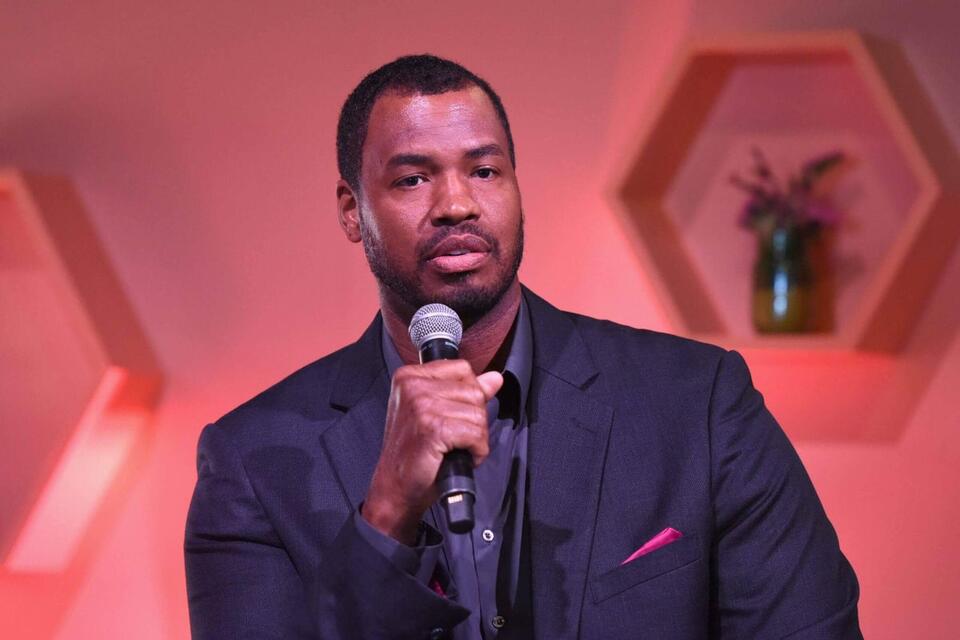
Jason Collins: Courage Beyond the Court, Resilience Against Glioblastoma

Jason Collins has always been a trailblazer. In 2013, he became the first openly gay active NBA player, shattering barriers and inspiring countless athletes and fans. Today, he faces another battle, Stage 4 glioblastoma, one of the most aggressive brain cancers known to medicine. Collins first experienced symptoms in August 2025: confusion, memory lapses, and difficulty focusing. By September, his family announced he had a brain tumor. On December 11, Collins himself revealed the diagnosis in an ESPN essay, describing the cancer as a “monster with tentacles” spreading across his brain. Despite the grim prognosis, median survival of 12–18 months, Collins has chosen to fight with the same toughness that defined his NBA career. Supported by his husband, Brunson Green, and buoyed by the love of his community, Collins is undergoing radiation, chemotherapy, and experimental therapies in Singapore. Beyond basketball, Collins has always loved mentoring young athletes, advocating for LGBTQ rights, and building community. His resilience now reminds us that health is not guaranteed, and vigilance is essential. Treatment Options While there is no cure, treatments aim to slow tumor growth and improve quality of life: Prognosis Risks & Challenges In summary: Glioblastoma is one of the deadliest brain cancers, with rapid progression and limited treatment options. Jason Collins’ diagnosis highlights both the personal toll and the urgent need for continued research into more effective therapies. Sources: my.clevelandclinic.orgCleveland Clinic mayoclinic.orgMayo Clinic mdanderson.orgMD Anderson Cancer Center Call to Action:We must stay on top of our health. Screenings save lives. Early detection matters. And for the LGBTQ community, rallying around Jason and his family is more than solidarity, it is a continuation of the movement he helped ignite. Career Highlights:

BLACK PEOPLE, BLACKLIVES, COMMUNITY, ECONOMICS, ENTERTAINMENT, FINANCE, HEALTH, JUSTICE, JUSTICE SYSTEM, NEWS, POLITICS, RACE, SPORTS

Michigan’s Double Standard: Harbaugh, Moore, and the Question of Racial Bias

The University of Michigan has become a case study in contradictions. When Jim Harbaugh was implicated in two consecutive scandals, first violating recruiting rules during the COVID dead period, then presiding over the Connor Stalions sign‑stealing scheme, the university stood by him. Even as the NCAA dragged its feet for years before finally issuing historic fines and a 10‑year show‑cause penalty in 2025, Harbaugh was allowed to leave gracefully for the NFL. His reputation, though tarnished, was never destroyed. Now compare that to Sherrone Moore. Elevated to head coach in 2024, Moore was fired for cause in December 2025 after allegations of an inappropriate relationship with a staff member. The facts remain unclear, yet the university acted swiftly and decisively, ending his career overnight. Within hours, Moore faced criminal charges, his name splashed across headlines, his future in coaching effectively erased. Michigan Coaching Controversies: Harbaugh vs. Moore Coach Tenure Major Scandal(s) Outcome Impact on Program Jim Harbaugh 2015–2024 – Recruiting violations (BurgerGate) during COVID dead period<br>- Connor Stalions sign‑stealing scheme (illegal scouting, signal recording) – Multiple suspensions<br>- Left for NFL in 2024<br>- NCAA issued 10‑year show‑cause penalty in 2025 Despite winning the 2023 National Championship, Michigan’s success was overshadowed by historic NCAA penalties and reputational damage Sherrone Moore 2024–2025 – Inappropriate relationship with staff member<br>- Criminal charges: felony home invasion, stalking, breaking & entering – Fired for cause in Dec 2025<br>- Released on bond with restrictions<br>- Lost remaining $12.3M contract value Players felt “betrayed” and emotionally shaken before the Citrus Bowl; Michigan forced into another coaching search just two years after Harbaugh’s exit Wrong is wrong. But the disparity in treatment is glaring. Harbaugh’s systemic violations undermined the integrity of the game itself, yet Michigan protected him. Moore’s alleged misconduct, personal, contested, and far less clear, was immediately weaponized to destroy him. It looks, smells, and feels like a smear campaign, one that ensures he never coaches again. And when you look at who was shielded and who was sacrificed, the shadow of racial bias is impossible to ignore. Why do the differences between Black and White always surface at the ugliest times? Why do institutions like Michigan continue to fail at ethics, accountability, and due diligence when it matters most? Call to Action It’s time to hold the University of Michigan accountable. Like so many other institutions, they must be boycotted, exposed, and put on front street for their double standards and racial bias. We want to hear from you: Your voice matters. Share your thoughts, challenge the narrative, and let’s demand accountability together.

BLACK PEOPLE, BLACKLIVES, COMMUNITY, ECONOMICS, JUSTICE, NEWS, POLITICS

Financial Insight

Navigating the Economy: Paycheck to Paycheck and Retirement Accounts IntroductionAs we close out 2025, the economy continues to send mixed signals. For many Americans living paycheck to paycheck, rising costs and uncertain job markets make financial stability feel out of reach. At the same time, those with retirement accounts are watching U.S. stocks, fixed income, and international markets closely, trying to understand how global and domestic trends will shape their future security. Living Paycheck to Paycheck: The Everyday Economy U.S. Stocks and the Economy Fixed Income and the Economy International Stocks and the Economy Practical Tips For Those Living Paycheck to Paycheck For Retirement Investors Takeaway The economy is a tale of two realities: Whether you’re focused on today’s bills or tomorrow’s nest egg, the message is clear: adaptability is essential. Staying informed, diversifying investments, and advocating for policies that support working families will be critical as we move into 2026. Closing Note At the end of the day, numbers tell us part of the story, but people tell us the rest. Whether you are stretching every paycheck to cover essentials or watching the markets to protect your retirement, the common thread is resilience. The economy may shift, interest rates may rise, and global markets may wobble, but our ability to adapt, to plan, and to advocate for fairness remains constant. Financial insight is not just about dollars and cents, it’s about dignity, security, and legacy. My commitment is to keep you informed, to connect the dots between policy and people, and to remind you that even in uncertain times, knowledge is power. Let’s carry that power into 2026, not only to survive the economy, but to shape it for ourselves and for the generations that follow.

BLACK PEOPLE, BLACKLIVES, COMMUNITY, ECONOMICS, HEALTH, JUSTICE, JUSTICE SYSTEM, NEWS, RACE

Healthcare on the Brink: Subsidies, Equity, and the Cost of Inaction

IntroductionThe Affordable Care Act (ACA) was designed to expand access to health coverage for millions of Americans. Enhanced subsidies, first enacted during the pandemic, have kept premiums affordable for over 22 million people. But now, as Congress fails to extend these subsidies, the future of affordable healthcare hangs in the balance. What’s at Stake  If Congress does not extend the ACA subsidies, premiums will more than double in 2026 (average +114%), with the steepest impacts in Southern states (like Georgia, Florida, Texas, Alabama, Mississippi) and in states that did not expand Medicaid. States with their own reinsurance or supplemental subsidies (like Vermont, California, New York) will see smaller increases factually.co NBC News factually.co Peterson-KFF Health System Tracker. Timeline of ACA Subsidies and Expiration Year Policy Change Impact 2010 ACA enacted Subsidies tied to income, capped at 400% FPL. 2021 American Rescue Plan Enhanced subsidies, removed “subsidy cliff.” 2022 Inflation Reduction Act Extended subsidies through 2025. Dec 2025 Senate rejects extension Subsidies set to expire Jan 1, 2026. 2026 Expiration Premiums rise ~114%; 2–4 million lose coverage. States Most Affected Analyses show uneven impacts across the country: How to Read This Chart Advocacy Angle Key Takeaways Advocacy Angle This is not just about numbers, it’s about equity and justice. The expiration disproportionately harms Southern states and marginalized communities, widening racial and economic health gaps. The subsidies made healthcare affordable for millions; their loss reveals how political gridlock can dismantle progress. Sources: factually.co NBC News Lawyer Monthly factually.co Peterson-KFF Health System Tracker Moneywise The Politics of Healthcare Equity and Accountability Healthcare is not just policy,it’s justice. Subsidies have allowed working families, small business owners, and gig workers to access care. Ending them disproportionately harms marginalized communities, widening racial and economic health gaps. This is not simply about budgets. It’s about whether America values the health of its people or the politics of obstruction. Call to Action The fight over ACA subsidies is a test of our national priorities. Will we protect affordable healthcare, or will we allow millions to be priced out? Advocacy must demand accountability: healthcare equity is non‑negotiable.

BLACK PEOPLE, BLACKLIVES, COMMUNITY, ECONOMICS, ENTERTAINMENT, NEWS, POLITICS, RACE, SPORTS

Alabama Football: Championships, Black Excellence, and the Head Coach They’ve Never Had

The University of Alabama’s football program, known as the Crimson Tide, is one of the most storied and successful in college football history, with 18 claimed national championships and 29 SEC titles spanning from its founding in 1892 to the modern era IntroductionThe University of Alabama football program is celebrated as one of the greatest dynasties in sports history. From Wallace Wade’s Rose Bowl triumph in 1925 to Nick Saban’s six national championships in the modern era, the Crimson Tide has defined college football dominance. But beneath the trophies and tradition lies a deeper story: the contributions of Black athletes who carried Alabama to glory, and the glaring absence of a Black head coach in its 133-year history. Timeline of Success and Integration Timeline: Championships + Racial Integration Era / Coach Championships Racial Makeup 1892–1969 (Pre‑Integration) 1925, 1926, 1930 (Wade); 1945 (Thomas); 1961, 1964, 1965, 1973, 1978, 1979 (Bryant) 100% white players 1970–1971 (Integration Begins) — 1970: Wilbur Jackson signed (first Black scholarship player). 1971: Jackson & John Mitchell play (first Black varsity players). 1970s–1980s (Gradual Growth) — By late 1970s, ~10–20% Black players. By 1980s, ~40–50%. 1992 (Gene Stallings) National Championship ~40–50% Black players 2000s–Present (Nick Saban Era) 2009, 2011, 2012, 2015, 2017, 2020 ~60–75% Black players; majority of roster, including Heisman winners Ingram, Henry, Smith, Young The Contribution of Black Players From Jackson and Mitchell breaking barriers in 1971 to Derrick Henry bulldozing his way to a Heisman in 2015, Black athletes have not only participated — they have defined Alabama football. They are the stars, the playmakers, the faces of the program. Without them, Alabama’s dynasty would not exist. Yet, despite their central role, Alabama has never entrusted its program to a Black head coach. The message is clear: Black athletes are good enough to win games, sell tickets, and generate millions, but not to lead. This visualization makes the contrast undeniable: Alabama’s dynasty was built on Black athletes after integration, yet leadership has remained exclusively white. Why No Black Head Coach? This is the uncomfortable truth. Alabama football thrives on the labor, talent, and brilliance of Black athletes, but leadership remains guarded by tradition. The program reflects a broader pattern in college football: Black players dominate the field, but white coaches dominate the sidelines. Is this simply “tradition”? Or is it exploitation, using Black faces to win and profit, while denying them the authority to lead? As the saying goes: if you can get the milk for free, why buy the cow? Alabama has built its empire on Black excellence, but refuses to acknowledge that excellence in leadership. Call to Action Football is supposed to be about unity, teamwork, and trust. But Alabama’s refusal to hire a Black head coach reveals a deeper fracture. If the Crimson Tide truly believes in “team,” then it must extend that belief beyond the field. Until then, the program’s legacy will remain incomplete, a dynasty built on Black talent but limited by old traditions.

Scroll to Top