NEWSLETTER EDITION
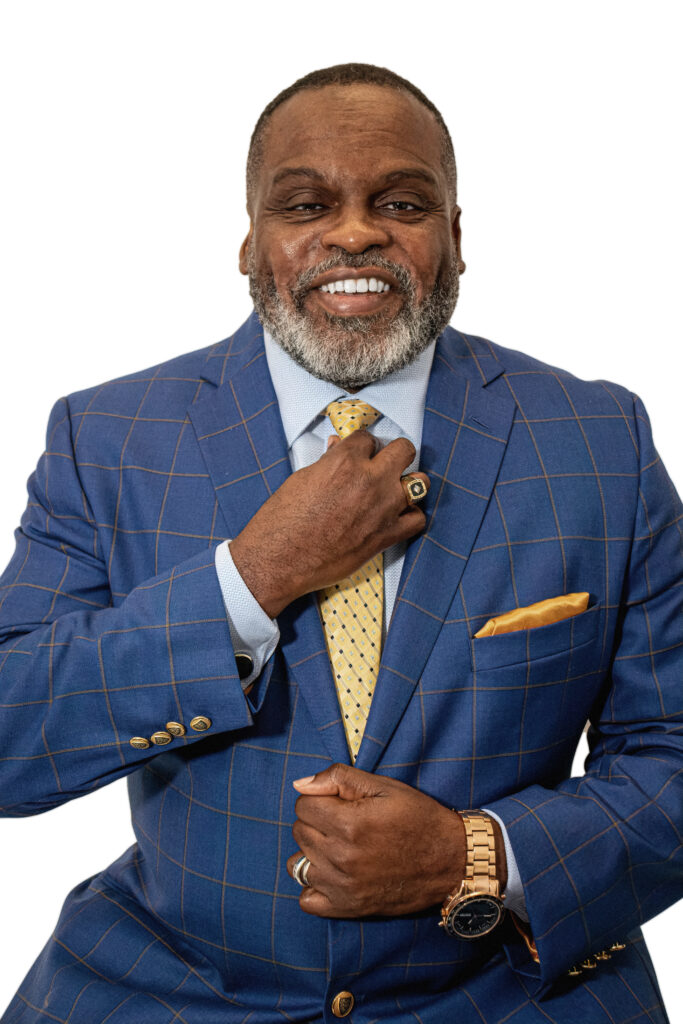
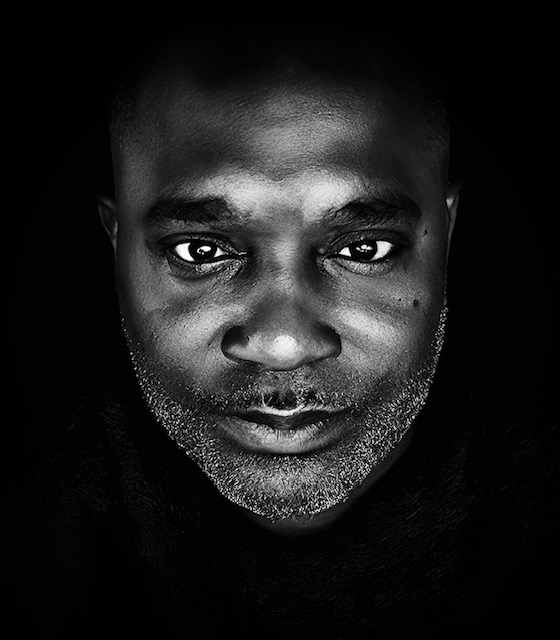
2025 Year‑End Reflections: A Season of Healing, Growth, and Community Power As we close out 2025, I want to take a moment to speak directly to the people who made this year unforgettable, you. This year was one of the most transformative seasons of my life. Season 3 of America in Black and White and the continued growth of Changing Trends and Times were not just professional milestones. They were lifelines. They were reminders that community is not something we talk about, it’s something we build together. And I want you to know how deeply grateful I am. To My Guests: You Carried Me This Year Every guest who joined me on the show brought something powerful, truth, vulnerability, humor, brilliance, and heart. You didn’t just show up for an interview. You showed up for me. Many of you may not know this, but 2024 was the year I lost my mother. Her passing left a space in my life that felt impossible to fill. But every conversation, every story, every moment of connection on the show helped me breathe again. You helped me heal in ways I didn’t expect. Your presence reminded me that even in grief, there is purpose.Even in loss, there is community.Even in pain, there is possibility. Thank you for being part of my healing. Season 3: A Testament to Our Collective Power This season wasn’t just successful, it was meaningful. We tackled real issues.We uplifted real voices.We created real impact. And none of it would have happened without you, the guests, the viewers, the supporters, the people who believe in the mission of telling our stories with honesty and dignity. You are the engine behind this machine.You are the heartbeat of this platform.Together, we are making a difference. Looking Ahead to 2026 I’m excited for what’s coming next. More conversations.More community.More truth.More growth. And yes, I’m working toward taking the show on the road. I want to meet you where you are. I want to bring these conversations into your cities, your communities, your spaces. Because this platform belongs to all of us. Let’s Build Together: SYTM Accounting & Consulting Inc. As we move into a new year, I also want to extend a personal invitation. Many of you know me as a host and storyteller, but I am also the founder of SYTM Accounting & Consulting Inc., where we support individuals and businesses with: If you need support in 2026, I would be honored to serve you.Let’s build your financial future with clarity, confidence, and care. Reach out anytime, let’s make it happen. Stay Connected With Me You can reach me through any of my platforms: Whether you’re a guest, a supporter, a listener, or a future client, you are part of this family. And together, we will continue to uplift our communities, tell our stories, and build something that lasts. Thank You Thank you for your time.Thank you for your trust.Thank you for your stories.Thank you for your love.Thank you for helping me turn a difficult year into a meaningful one. Here’s to 2026, a year of expansion, healing, and community power.