120 Episodes In — And the Conversation Has Never Mattered More
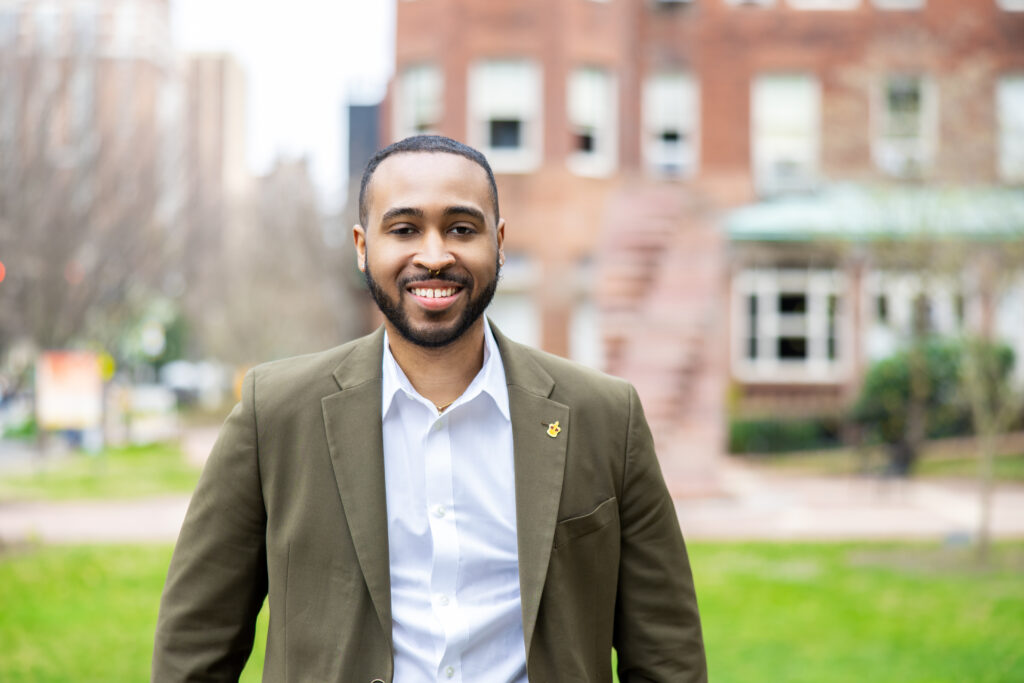
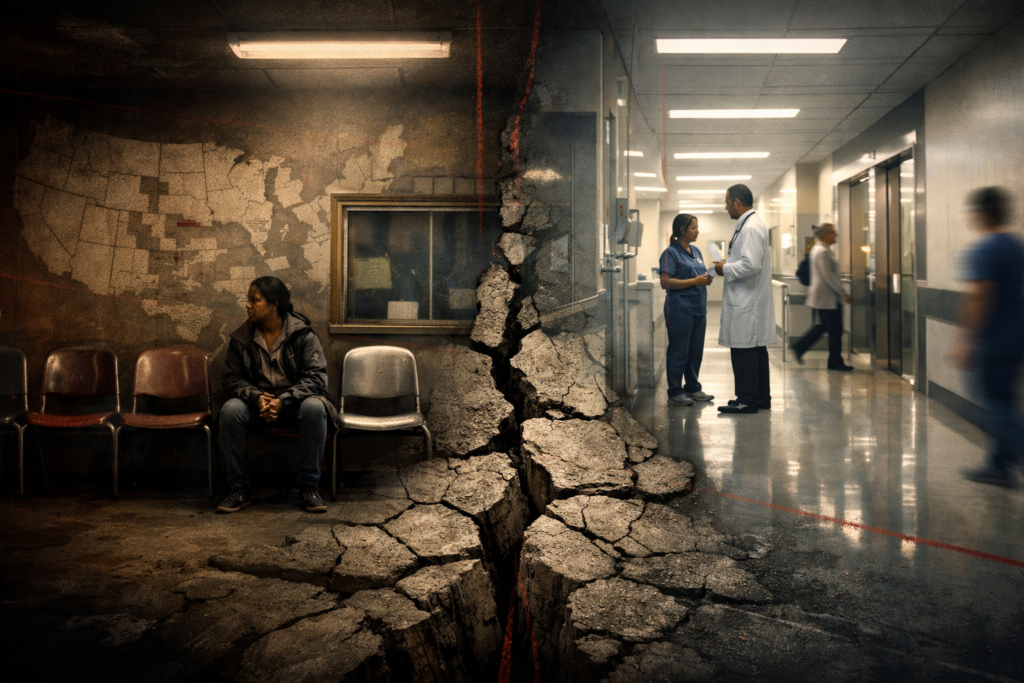
There is something clarifying about a solo show. No guest to lean into. No co-host to share the weight. Just you, the microphone, and the responsibility of filling the silence with something worth saying. This Friday, July 31, 2026, I step into that space for Episode 120 of America in Black and White and I’ve been thinking about what that number means. One hundred and twenty episodes. Four seasons. Hundreds of conversations, about race, culture, sports, identity, politics, and the endlessly complicated experience of being Black in America. And yet, if anything, I feel more urgency now than I did when we started. Because the landscape we’re covering hasn’t simplified. If anything, it’s gotten more layered. On Media: The Difference Between Visibility and Power One of the themes I dig into on this episode is something I think about constantly: the gap between Black cultural visibility and Black institutional power. In 2026, Black creatives are everywhere, on screens, on stages, on streaming platforms that would not exist without their talent and their story. And yet, the ownership structures, the boardrooms, the IP portfolios, those spaces remain strikingly, stubbornly narrow. This is not a complaint. It is a data point. And as a media professional, I think the business community, particularly brands and institutions that profit from Black culture, needs to be more honest about the difference between celebrating Black creativity and investing in Black creative infrastructure. Sponsoring a Black podcast is not the same as building equity with a Black creator. Both matter. But they are not the same thing. On Sports: The Cost of Having a Voice The sports commentary on Episode 120 goes deeper than the offseason moves and the preseason hype. Ryan Clark was fired by ESPN on July 21st, mid-show, during a commercial break, after the news had already leaked. A man who joined ESPN in 2015, who spent over a decade building credibility and cultural connection, who was never afraid to bring his full self to the desk, shown the door while the cameras were still warm. Clark himself was clear: he was fired. Not laid off. Fired. And the reporting suggests it was not purely financial. His willingness to be vocal, in his contract negotiations, in his on-air moments, on social issues, made the wrong impression on the people with the power to make that call. That story is the lens for the entire sports segment on Episode 120. Because what happened to Ryan Clark is what happens at every level of sports, on the field, in the front office, and now visibly in the media booth, when a Black voice gets too real, too public, or too much itself. At AMIBW, we refuse to compartmentalize. Sports are culture. Culture is politics. Politics is life. And if your network, your league, or your institution cannot reckon with that honestly, we will name it. In Honor of Nolan Wells Episode 120 is dedicated to the family of Nolan Wells. I want to say that plainly and with the weight it deserves. We opened the show with a formal tribute, not as a formality, but as a commitment. Because what we do on this platform matters most when it serves people. And in this moment, serving the Wells family means saying his name, honoring his memory, and surrounding those who loved him with the warmth of a community that cares. Rest well, Nolan. To Brands and Partners: The Conversation Is Already Happening If you are a brand, institution, or organization that is serious about authentic, credible engagement with Black American audiences, I want to hear from you. America in Black and White has built something real: a loyal audience of engaged, thoughtful, culturally invested listeners who trust this platform. That trust is the most valuable asset in media right now. Season 4 is in full swing, and we are selectively opening partnership conversations. Reach out to us directly through our social channels or drop us a message at AmericaInBlackAndWhite.us to start the conversation. Episode 120 drops Friday, July 31, 2026, at 6:00 PM EST — on YouTube and wherever you listen to podcasts. I hope you’ll be there. Please click the play button at 6pm EST tonight and watch the show live: — Charles Zackary KingHost, America in Black and White